






Exploring the cultural meanings behind gambling practices worldwide
The Historical Roots of Gambling
Gambling has deep historical roots that can be traced back to ancient civilizations, where games of chance were often intertwined with cultural rituals and religious practices. For example, the Chinese were known to play games of chance as early as 2000 BC, using rudimentary dice made from bone and ivory. In many cultures, gambling was seen not merely as entertainment but as a method for divining the future or appeasing deities. This historical perspective illustrates how gambling was initially perceived as a culturally significant act, rather than a mere pastime, and today, players often seek platforms that offer fast withdrawal casinos to enhance their experiences.
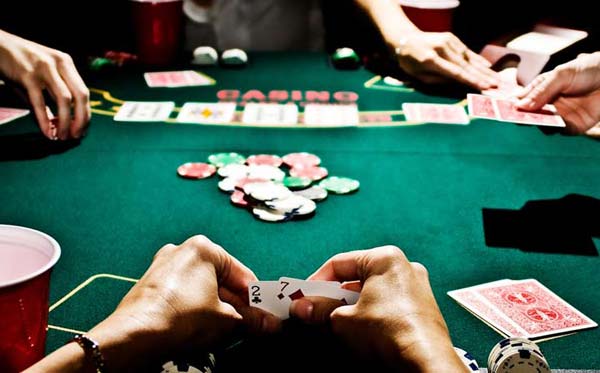
In ancient Rome, betting on gladiatorial games became a popular form of entertainment, reflecting both the social hierarchies of the time and the thrill associated with risk-taking. Gambling was prevalent in various aspects of daily life, revealing the Romans’ acceptance of chance and uncertainty. Cultural narratives often emerged from these practices, which were later recorded in literature and art, indicating that gambling was deeply embedded in societal norms and values, affecting people’s lives in many ways.
As societies evolved, so did their gambling practices, adapting to new norms and technological advancements. From the introduction of card games in the Middle Ages to the establishment of formal casinos in the 17th century, gambling has continuously transformed. These historical shifts offer insights into the changing perceptions and meanings associated with gambling across different cultures, providing a rich tapestry of human behavior and societal values that still resonate today.
Cultural Significance and Symbolism
The cultural significance of gambling is often reflected in its symbolism within various societies. In many cultures, gambling is associated with luck and fate, serving as a metaphor for life’s uncertainties. For instance, in Native American communities, gambling is sometimes viewed as a spiritual practice that connects individuals to their ancestors, emphasizing the importance of community and shared experiences. In this context, gambling goes beyond monetary gain and becomes a rite of passage or a means of cultural expression.
In contrast, other cultures may perceive gambling as a vice or a moral failing. In some Islamic countries, gambling is strictly prohibited, viewed as detrimental to societal harmony and personal integrity. This dichotomy illustrates the contrasting values surrounding gambling, demonstrating how cultural narratives shape collective attitudes toward risk and reward. Such differing viewpoints can spark debates within multicultural societies, highlighting the complexities and nuances of gambling’s role in human life.
Additionally, gambling can serve as a form of escapism in various cultures, providing individuals with a temporary respite from their daily struggles. This function is particularly relevant in times of economic hardship, where individuals may turn to gambling as a means of hoping for a better future. The symbolism attached to these practices often mirrors broader societal issues, reinforcing the idea that gambling is not merely a game but a reflection of deeper cultural dynamics.
Psychological Effects of Gambling
The psychological effects of gambling extend beyond the thrill of winning or losing. Engaging in gambling activities can evoke a complex mix of emotions, from exhilaration to despair. Many players experience the “gambler’s fallacy,” where they believe that past outcomes influence future results, leading them to take greater risks. This cognitive bias can create a cycle of behavior that is challenging to break, as the excitement of potential wins often overshadows the reality of losses.
Moreover, the psychological aspect of gambling is closely tied to the concepts of reward and reinforcement. The brain releases dopamine, a neurotransmitter associated with pleasure, during moments of betting and winning. This biochemical reaction can lead to repeated behavior, as players become conditioned to seek the same rush. Unfortunately, this cycle can lead to problematic gambling behaviors, impacting mental health and relationships, reinforcing the need for a deeper understanding of the psychological underpinnings of gambling.
The impact of gambling is further compounded by societal pressures and individual circumstances. People from different cultural backgrounds may face varying degrees of stress and anxiety that influence their gambling habits. For instance, in cultures where gambling is a form of community bonding, the social pressures to engage in such practices can lead to increased risks. Thus, understanding the psychological effects of gambling requires a comprehensive examination of both individual behavior and cultural context.
Modern Gambling and Technology
The advent of technology has revolutionized gambling practices worldwide, leading to the rise of online gaming platforms and mobile apps. This evolution has made gambling more accessible than ever, allowing individuals to engage in various forms of betting from the comfort of their homes. However, this increased accessibility also brings new challenges, particularly concerning responsible gaming and addiction. The anonymity provided by online platforms can exacerbate existing issues, making it easier for individuals to lose track of their gambling habits.
Furthermore, modern gambling often intertwines with cultural expressions, as online games increasingly incorporate elements of popular culture and traditional games. This blending can create new forms of entertainment that resonate with diverse audiences, bridging generational and cultural gaps. For instance, some online casinos offer games based on folklore or historical themes, making gambling a form of cultural storytelling that appeals to younger players.
Despite these innovations, concerns about the psychological impact of technology on gambling persist. The instant gratification associated with online betting can reinforce compulsive behaviors, making it crucial for operators to implement responsible gaming measures. As gambling continues to evolve alongside technological advancements, understanding its cultural implications will be essential for promoting positive experiences and mitigating risks.

Discovering Responsible Gambling Platforms
As gambling practices evolve, it becomes increasingly important to identify responsible platforms that prioritize player safety and well-being. Online casinos are beginning to implement more robust measures aimed at promoting responsible gambling, including self-exclusion options, limits on deposits, and tools for tracking gaming behavior. These features allow players to engage in a safer gaming environment, fostering a culture of accountability and awareness.
Moreover, educational resources and support networks are becoming integral to the online gambling experience. Many platforms now offer guidance on understanding gambling behaviors and the psychological aspects involved. By providing comprehensive information on the risks and rewards associated with gambling, these platforms aim to equip players with the knowledge needed to make informed decisions.
In conclusion, the landscape of gambling is continually changing, reflecting broader cultural trends and societal values. As players navigate this complex environment, they must prioritize their well-being and seek out trustworthy platforms that promote responsible gaming. Engaging with online gambling can be an enjoyable experience, but it is essential to approach it with mindfulness and awareness, ensuring that cultural meanings are respected and celebrated.