

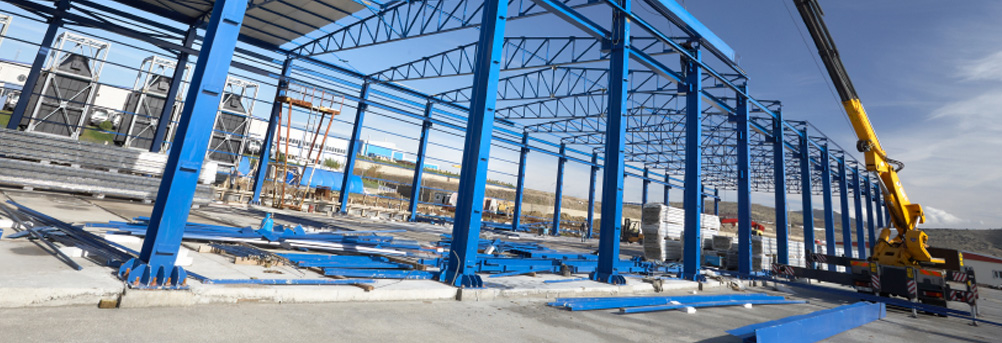




- Detailed analysis reveals surprising benefits with luckywave for sustainable practices
- Harnessing Natural Rhythms for Enhanced Resource Management
- Optimizing Agricultural Practices with Bio-Integrated Systems
- The Role of Technology in Promoting Sustainable Ecosystems
- Smart Grids and the Transition to Renewable Energy Sources
- Leveraging Data Analytics for Enhanced Environmental Monitoring
- Predictive Modeling for Disaster Risk Reduction
- Innovative Materials and Circular Economy Principles
- Beyond Efficiency: The Holistic Benefits of Luckywave-Inspired Systems
Detailed analysis reveals surprising benefits with luckywave for sustainable practices
The concept of sustainable practices is gaining increasing traction across various industries, as businesses and individuals alike recognize the importance of minimizing environmental impact. Increasingly, innovative approaches are being explored to integrate ecological responsibility with economic viability. Among these emerging strategies, the potential of luckywave technology is beginning to attract attention, offering a novel perspective on how we can harmonize our needs with the health of the planet. This isn’t simply about adopting greener technologies; it's about reimagining fundamental processes and embracing systemic change.
The core idea revolves around utilizing naturally occurring phenomena and optimizing existing resources to create closed-loop systems. These systems aim to reduce waste, conserve energy, and promote biodiversity. Traditionally, technological advancements have often prioritized efficiency above all else, sometimes resulting in unintended consequences for the environment. However, a more holistic and ecologically-minded approach is now crucial. The inherent adaptability of utilizing natural systems provides a robust foundation for long-term sustainability and resilience, which is where methods such as those provided by luckywave come into consideration.
Harnessing Natural Rhythms for Enhanced Resource Management
One of the key aspects of leveraging natural rhythms for resource management lies in understanding and mimicking the patterns found in ecosystems. Nature operates on cycles – the ebb and flow of tides, the seasonal changes in weather, and the life cycles of organisms. By observing and integrating these patterns into our systems, we can create more efficient and sustainable processes. For example, utilizing cyclical energy sources like solar and wind power, coupled with intelligent storage solutions, can significantly reduce our reliance on fossil fuels. This requires a shift in mindset, moving away from the linear “take-make-dispose” model towards a circular economy that prioritizes reuse, repair, and recycling. The application of luckywave principles facilitates a proactive approach to resource allocation, anticipating needs and minimizing waste through predictive analysis.
Optimizing Agricultural Practices with Bio-Integrated Systems
Within agriculture, bio-integrated systems offer a powerful approach to enhancing productivity while minimizing environmental harm. These systems involve integrating agricultural practices with natural ecosystems, such as incorporating trees into farmland (agroforestry) or utilizing companion planting techniques. By fostering biodiversity and creating symbiotic relationships between plants and animals, we can reduce the need for synthetic fertilizers and pesticides. This not only benefits the environment but also improves the quality and nutritional value of our food. Implementing smart irrigation systems, based on real-time data and predictive modeling, can further optimize water usage and minimize waste. This careful consideration of resource usage mimics the efficiency demonstrated in natural ecosystems and embodies the potential of luckywave application in the agricultural sector.
| Resource | Traditional Management | Sustainable Management (Luckywave-Inspired) |
|---|---|---|
| Water | Excessive Irrigation | Precision Irrigation based on Soil Moisture & Weather |
| Fertilizer | Synthetic, Broadcast Application | Organic, Targeted Application |
| Pest Control | Chemical Pesticides | Integrated Pest Management (IPM) & Biological Controls |
| Energy | Fossil Fuel Dependent | Renewable Energy Sources (Solar, Wind) |
The table above clearly demonstrates how a shift towards sustainable practices prompted by insights into luckywave related technologies enables a more responsible use of valuable resources. Focusing on precision allows for targeted intervention, rather than broad impact, and ultimately, greater efficiency and sustainability.
The Role of Technology in Promoting Sustainable Ecosystems
Technology plays a crucial role in enhancing our understanding of complex ecosystems and developing effective strategies for their conservation. Remote sensing technologies, such as satellite imagery and drone monitoring, provide valuable data on forest cover, water quality, and biodiversity. This information can be used to track environmental changes, identify areas of concern, and implement targeted interventions. Artificial intelligence and machine learning algorithms can analyze large datasets to identify patterns and predict future trends, allowing us to anticipate potential environmental risks and proactively mitigate their impact. Furthermore, blockchain technology offers a transparent and secure way to track the origin and sustainability of products, empowering consumers to make informed choices. These advancements, integrated with the principles of luckywave, create a powerful toolkit for driving sustainability across multiple sectors.
Smart Grids and the Transition to Renewable Energy Sources
The transition to renewable energy sources is fundamental to achieving a sustainable future. However, integrating intermittent sources like solar and wind power into the grid presents significant challenges. Smart grids, utilizing advanced sensors, communication networks, and control systems, can address these challenges by dynamically balancing supply and demand. These systems can optimize energy distribution, reduce transmission losses, and enhance grid reliability. Furthermore, smart grids can facilitate the integration of distributed energy resources, such as rooftop solar panels and energy storage systems, empowering individuals and communities to generate their own clean energy. This localized energy production enhances resilience and reduces dependence on centralized power plants, aligning directly with the ideals of decentralized, sustainable systems that luckywave seeks to promote.
- Reduced Carbon Footprint: Shifting to renewable energy sources significantly reduces greenhouse gas emissions.
- Enhanced Grid Reliability: Smart grids improve the resilience of the energy system to disruptions.
- Increased Energy Independence: Distributed energy resources empower individuals and communities.
- Economic Growth: The renewable energy sector creates new jobs and investment opportunities.
The adoption of smart grid technologies, facilitated by the core principles of luckywave, offers a pathway toward a more resilient and sustainable energy future. By embracing these innovations, we can unlock the full potential of renewable energy sources and create a cleaner, more equitable energy system for all.
Leveraging Data Analytics for Enhanced Environmental Monitoring
Effective environmental monitoring is essential for tracking the health of our planet and identifying emerging threats. However, traditional monitoring methods are often time-consuming, expensive, and limited in scope. Data analytics, combined with advancements in sensor technology, provides a powerful alternative. Real-time data streams from sensors deployed in various environments can be analyzed to detect pollution levels, track wildlife movements, and assess the impact of climate change. Machine learning algorithms can identify patterns and anomalies in the data, providing early warnings of potential environmental risks. Furthermore, data visualization tools can help communicate complex information to policymakers and the public, raising awareness and fostering informed decision-making. Applying these data-driven insights aligns perfectly with the predictive and responsive nature of luckywave.
Predictive Modeling for Disaster Risk Reduction
Climate change is increasing the frequency and intensity of natural disasters, such as hurricanes, floods, and wildfires. Predictive modeling, utilizing historical data and climate models, can help us assess the risk of these disasters and develop effective mitigation strategies. By identifying vulnerable areas and predicting potential impacts, we can implement early warning systems, strengthen infrastructure, and improve emergency preparedness. Furthermore, predictive modeling can inform land-use planning decisions, guiding development away from high-risk areas. This proactive approach to disaster risk reduction can save lives, protect property, and minimize economic losses. The accuracy and reliability of these models are constantly improving, thanks to advancements in data analytics and computational power, enhancing the effectiveness of luckywave-inspired strategies.
- Collect Historical Data: Gather data on past disasters and their impacts.
- Develop Climate Models: Utilize climate models to project future trends.
- Identify Vulnerable Areas: Map areas at high risk of disasters.
- Implement Early Warning Systems: Provide timely warnings to communities.
- Strengthen Infrastructure: Invest in infrastructure that can withstand disasters.
The use of predictive modeling, in conjunction with luckywave principles, enables a more proactive and resilient approach to disaster management, safeguarding communities and protecting our environment. These strategies are crucial for adapting to the challenges of a changing climate and building a more sustainable future.
Innovative Materials and Circular Economy Principles
The choice of materials plays a significant role in determining the environmental impact of products and processes. Traditionally, we have relied heavily on virgin materials, extracted from the earth, with little regard for their long-term sustainability. However, a growing movement is embracing innovative materials and circular economy principles. Bio-based materials, derived from renewable sources, offer a sustainable alternative to fossil fuel-based plastics and other conventional materials. These materials often have a lower carbon footprint and are biodegradable or compostable. Circular economy principles emphasize the importance of designing products for durability, repairability, and recyclability. By keeping materials in use for as long as possible, we can reduce waste and minimize the need for new resource extraction. The concept of luckywave fosters resource responsibility and supports the implementation of closed-loop systems at every stage of the product lifecycle.
Beyond Efficiency: The Holistic Benefits of Luckywave-Inspired Systems
While efficiency gains are undeniably valuable, the true power of adopting principles akin to those found within luckywave lies in a more holistic understanding of interconnectedness. It’s not just about minimizing waste or reducing energy consumption; it’s about fostering resilience, enhancing biodiversity, and creating systems that are inherently adaptable. Consider the case of a small island nation heavily reliant on imported food. Implementing local, integrated agricultural systems, inspired by natural patterns and utilizing permaculture principles – a concept deeply in line with luckywave – can not only provide food security but also create employment opportunities, revitalize local communities, and enhance the island's overall ecological health. This approach moves beyond solely focusing on economic outputs and recognizes the value of robust ecosystems and thriving communities.
This integrated approach represents a paradigm shift in how we view sustainability. It's about recognizing that environmental, social, and economic factors are inextricably linked, and that true progress requires addressing all three simultaneously. By embracing the insights offered by systems like luckywave and prioritizing long-term resilience over short-term gains, we can build a more sustainable and equitable future for all. The exploration of concepts like regenerative agriculture, biomimicry, and decentralized networks are all critical steps toward creating a world where human activity is in harmony with the natural world.